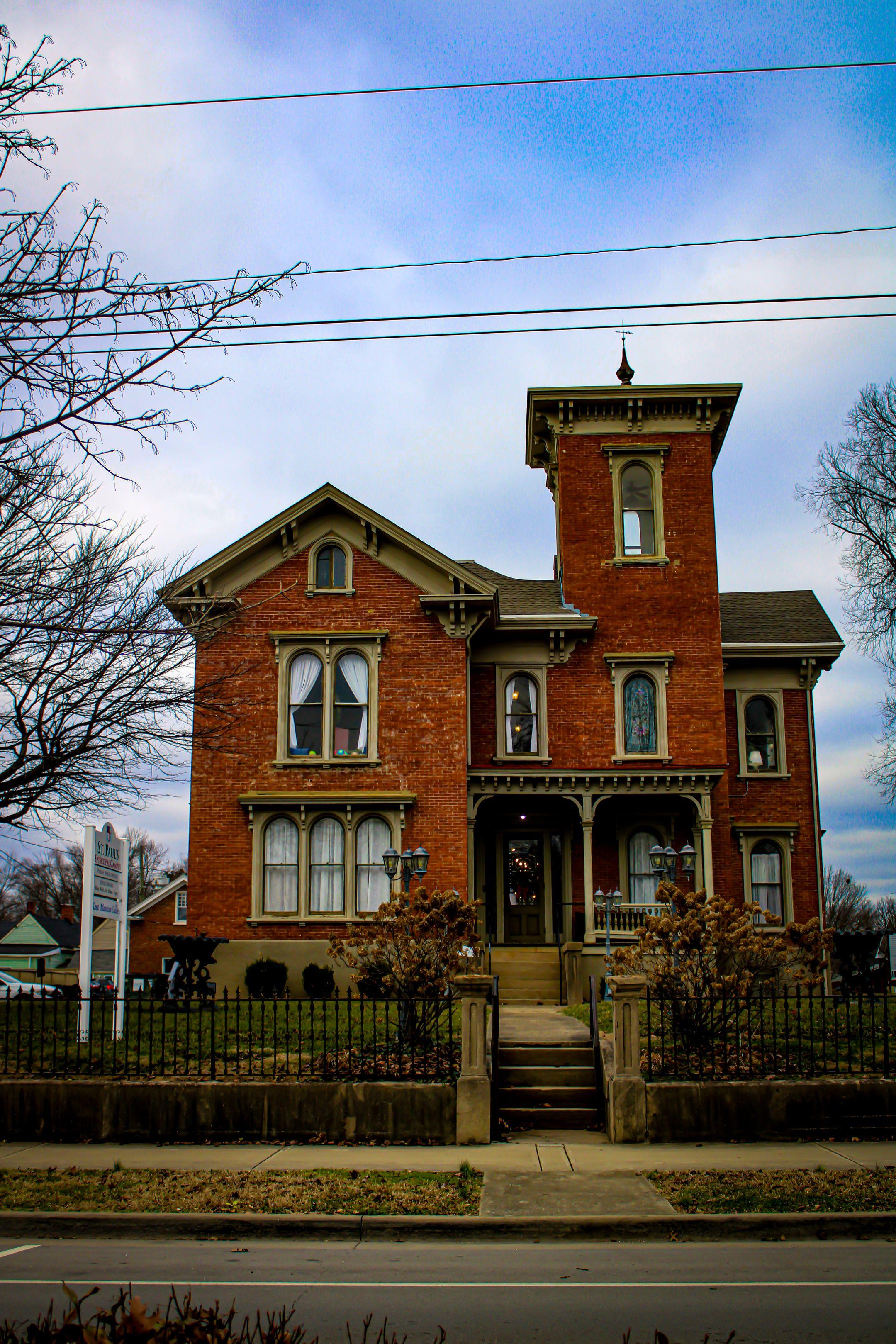
Every wholesaler eventually asks the same question: where do I even start driving? The honest answer is that the best off-market leads aren't concentrated in one part of town — distressed properties show up in nearly every neighborhood in Jefferson County, from older urban blocks to postwar subdivisions to pockets near the county line. What separates a productive afternoon of driving for dollars from a wasted tank of gas isn't which neighborhood you pick. It's whether you know what to look for and where the data says to look.
What "Driving for Dollars" Actually Means
Driving for dollars is a lead-generation method, not a neighborhood. Investors physically drive, or walk, through an area, look for visible signs that a property is vacant, neglected, or otherwise likely to have a motivated owner behind it, and log the address for follow-up. It costs nothing but time and gas, and it surfaces properties that never show up in an MLS search or a mailing list because the owner hasn't listed, hasn't hired an agent, and may not even know what the property is worth. Done consistently, it's one of the more reliable ways to build a pipeline of leads nobody else is calling on yet.
The Visual Cues That Signal a Motivated Seller
You're not looking for a type of neighborhood. You're looking for a type of property, and the same handful of signals show up on distressed houses anywhere in the county:
– Overgrown or dead landscaping that's been unattended for more than a season
– Boarded or broken windows, or windows covered from the inside
– Months of mail, newspapers, or flyers piled at the door
– A roof with visible sagging, missing shingles, or a tarp
– Peeling paint, siding damage, or a chimney separating from the house
– A permanently parked, unregistered, or flat-tired vehicle in the driveway
– A visible code enforcement notice or condemnation placard on the door or window
– Utility disconnection markers or a missing meter
Any one of these can mean nothing on its own. Three or four together on the same property is usually worth a closer look.
How to Find the Areas Worth Scouting (Without Guessing)
Rather than picking a neighborhood because it "looks distressed," pull the public data that actually shows where deferred maintenance and absentee ownership are concentrated right now, not by reputation:
– Jefferson County PVA records, searchable by build year — older housing stock statistically carries more deferred maintenance, and PVA data shows exactly which blocks were built before 1950 without anyone's opinion involved
– Louisville Metro's vacant and public nuisance property list and code enforcement case records, both public record and updated regularly
– Delinquent property tax records, which are public in Jefferson County and often an early signal of financial distress
– Absentee-owner data — a tax mailing address that doesn't match the property address — available through PVA records or a skip-tracing service
None of these data sets are neighborhood-specific. They're property-specific, and they'll point you to individual addresses scattered across the county rather than one part of town to focus on. That's a more accurate way to scout anyway: a distressed rental sitting three doors down from a well-kept owner-occupied home is a far better lead than a house that merely sits in a zip code with a reputation.
What to Do With an Address Once You've Found It
A windshield list is only useful if you follow up on it:
– Log the address, the date, and what you observed, photos help, the same day, while the details are fresh
– Run the address through the Jefferson County PVA site to find the owner of record and their mailing address
– Skip trace the owner if the mailing address doesn't get a direct hit — a name and a tax mailing address is usually enough to find a working phone number or a forwarding address
– Send a short, direct letter or make a call, and lead with the property, not a script: "I noticed the house at [address] and wanted to see if you'd ever consider an offer."
– Track every address in a spreadsheet or CRM so a "no" today doesn't get contacted the same way again in three months
A focused afternoon of driving can produce a solid list of addresses worth this kind of follow-up.
Staying Safe and Respectful While You Scout
A few ground rules keep driving for dollars from becoming a problem for you or anyone else:
– Stay on public streets and sidewalks. Don't walk onto private property, look in windows, or enter a structure, occupied or not
– Drive during daylight hours, and don't linger in front of one house long enough to draw attention
– If a resident or neighbor asks what you're doing, be straightforward about it — most people appreciate honesty over evasiveness
– Photograph the property, never people
– If you plan to knock on a door, treat it like the cold outreach it is: brief, polite, and easy to decline
A Licensed Alternative to Random Wholesaler Lists
Driving for dollars works, but it's a lot of hours for one person to put in alone. OffMarket.deals, Winner Realty's off-market deal pipeline for investors, runs the same idea at scale: verified property leads sourced through public records, direct outreach, and referral relationships, delivered to a vetted list of buyers before they're marketed anywhere else. If you'd rather spend your time evaluating deals than logging addresses, join the Off-Market Deal Alert list at OffMarket.deals — and once you've got a property under contract or an assignment to evaluate, run the numbers through Winner Realty's Investment Property Analyzer before you commit.
Kentucky law (KY HB 62) requires that anyone marketing a property they don't yet own, including an assigned contract, disclose their equitable interest and make clear they are not a licensed agent representing the seller unless they actually are one. Every lead OffMarket.deals sources and every contract it assigns is handled with that disclosure in place — a good habit to build into your own driving-for-dollars follow-up from day one.
Frequently Asked Questions
Is driving for dollars still worth it with so much data available online?
Yes. Data narrows down where to look, but plenty of distressed properties never show up on a code enforcement list or a tax delinquency report until they've been neglected for years. Seeing a property in person still surfaces leads a spreadsheet alone won't.
How much of Jefferson County should I plan to cover in one outing?
Start smaller than you think. A five- or ten-block radius you can drive thoroughly and revisit monthly will produce better results than one scattershot pass across the whole county.
Do I need permission to photograph a house from the street?
No. Photographing a property visible from a public street or sidewalk is generally permitted. Just don't photograph people, and don't go onto private property to get a better angle.
What if a house turns out to be occupied and not actually distressed?
That happens regularly. A polite conversation or a simple mailer is enough to find out, and it costs nothing to be wrong occasionally.
Driving for dollars rewards patience and consistency more than almost any other lead source in wholesaling. Pull the data, drive the blocks it points to, log everything, and follow up more than once. Or skip the windshield time and let OffMarket.deals bring the leads to you — either way, the properties are out there, in every part of the county, waiting on someone to make the first call.