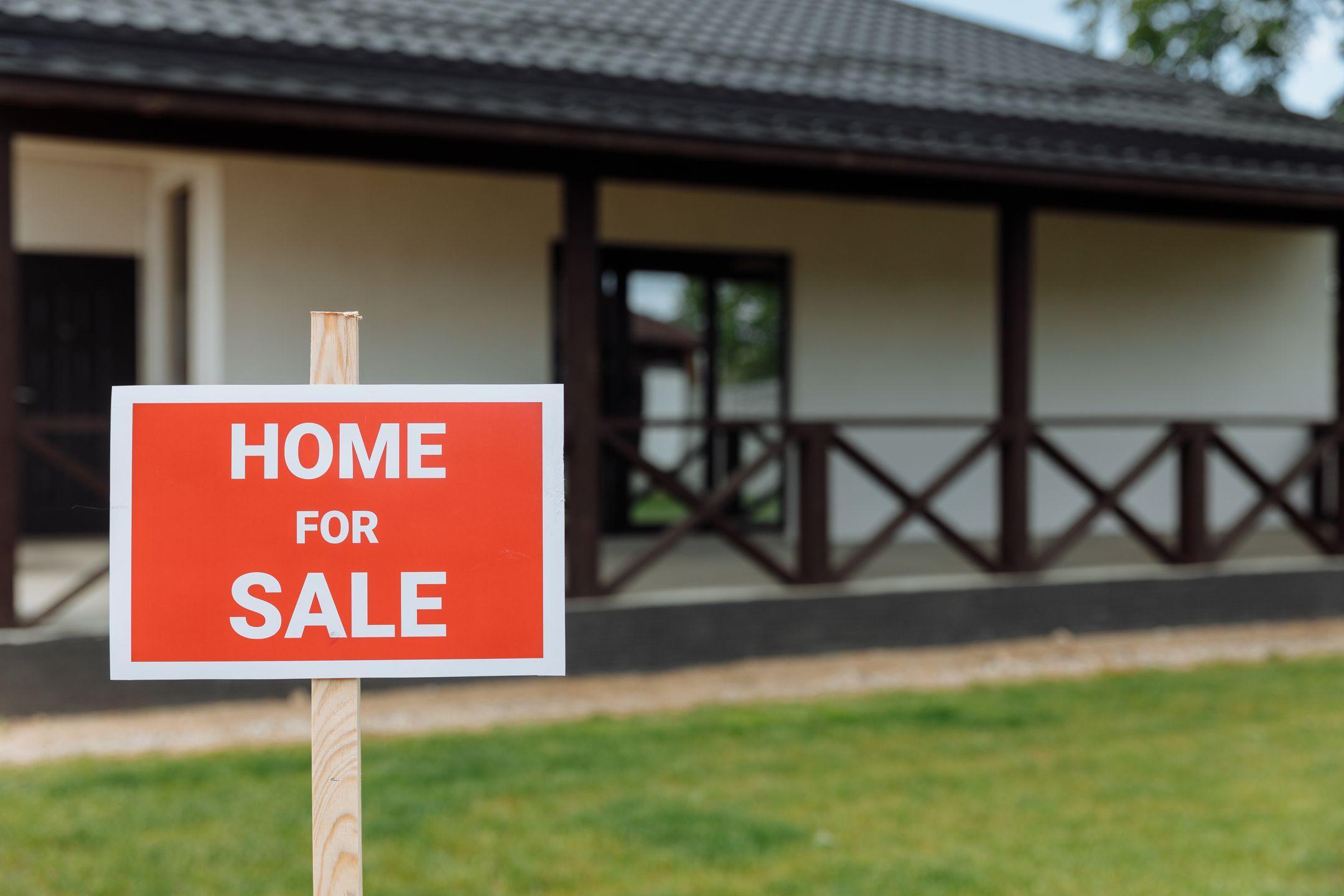
It's the question I get more than almost any other from homeowners who want to move: do I sell my house first, or buy the next one first?
Sell first and you might have nowhere to live. Buy first and you might be paying two mortgages. Nobody wants either one. The good news is there are more than two options, and after 13 years and over 2,000 deals in Louisville, I can tell you most people can make this work without either nightmare.
The short answer
If you need the money from your current house to buy the next one, you'll usually sell first or sell and buy at the same time. If you can qualify for the new house while you still own the old one, buying first gives you more control and less stress about where you'll land. The right answer comes down to three things: your equity, your income, and how much risk you can stomach.
Option 1: Sell first, then buy
You list your house, sell it, and then buy with the cash in hand.
- The upside: you know exactly how much money you have. You'll never carry two mortgages. And when you make an offer on the next house, you're a strong buyer with no house to sell.
- The downside: you need somewhere to live in between. That might mean renting short term, staying with family, or storing your stuff and moving twice.
How to make it easier: ask for a rent-back. That's when the buyer agrees to let you stay in the house for a set time after closing, usually a few days to a few weeks, so you're not out on the street while you shop. Your agent writes it into the contract. Rent-backs are a normal ask, and buyers who aren't in a rush often say yes.
Option 2: Buy first, then sell
You buy the new house, move in, then sell the old one empty.
- The upside: one move, no rush, and no living out of boxes. An empty house is also easier to show and often looks bigger in photos.
- The downside: you may carry two house payments until the old one sells. If the sale takes longer than you planned, that adds up fast.
How people pay for it:
- Cash or savings, if you have enough for the down payment without the sale money.
- A home equity line of credit (a HELOC, which is a line of credit borrowed against your current home's value). Set it up before you list, because it's hard to open one once the house is on the market. Use it for the new down payment, then pay it off when the old house sells.
- A bridge loan, which is a short-term loan meant to cover the gap between buying and selling. It's usually more expensive than a regular mortgage, so ask your lender to show you the real numbers.
- Qualifying for both payments. Some buyers earn enough that a lender will approve the new mortgage while the old one is still on the books. Your lender will look at your debt-to-income ratio (DTI, how much of your monthly income goes to debt payments) to decide.
Option 3: Buy with a home sale contingency
You make an offer on the new house that depends on your current house selling. If yours doesn't sell by a set date, you can walk away without losing your earnest money.
- The upside: you won't get stuck with two houses.
- The downside: sellers like offers without strings attached. In a hot market, a contingent offer can lose to a clean one. It works best when your house is already listed, or better yet, already under contract.
Option 4: Line up both closings for the same day
This is what a lot of my clients do. We list your house and shop for the next one at the same time, then time the two closings so you sell in the morning and buy that afternoon, or a day or two apart.
- The upside: one move, no double mortgage, and your sale money goes straight into your purchase.
- The downside: it takes coordination. If one closing slips, the other one can slip too. A good agent, a good lender, and a good title company make this smooth. A rent-back on your sale gives you a cushion if something runs late.
Which one is right for you?
- You need your equity for the down payment and can't qualify for two payments: sell first, ask for a rent-back, or line up both closings.
- You have the cash or a HELOC for the down payment: buying first is on the table, and it's the lowest-stress way to move.
- You found the perfect house and yours isn't listed yet: talk to your lender today about a bridge loan or a HELOC, and get your house ready to list fast.
- You're not sure what your house is worth: start there. Everything else depends on that number.
Start with two numbers
Before you decide anything, get two numbers: what you'd walk away with if you sold, and what you can borrow for the next place.
- Get a free home value estimate
- See what you'd walk away with after selling
- Get pre-approved for your next home
- Estimate your Kentucky closing costs
Once you're moving, these will help too: the last 30 days before closing checklist, what stays with the house when you sell, and, if you've got one, what to do with your hot tub.
Want help mapping out your own sell-and-buy plan? Text or email me and we'll figure out the order that works for you.
Selling and buying at the same time FAQ
Should I sell my house before buying another one?
It depends on your money. If you need the equity from your current home to buy the next one, selling first or lining up both closings is usually safest. If you can cover the down payment and qualify for the new mortgage without selling, buying first is the lowest-stress option.
What is a rent-back when selling a house?
A rent-back lets the seller stay in the home for a set period after closing, usually a few days to a few weeks. It's written into the purchase contract and gives the seller time to move into their next home.
What is a bridge loan?
A bridge loan is a short-term loan that helps you buy a new home before your current one sells. It's usually more expensive than a regular mortgage, and it's paid off when your old home sells.
Can I use a HELOC to buy my next house?
Many homeowners use a home equity line of credit on their current home for the down payment on the next one, then pay it off when the old home sells. Open the HELOC before you list your home, because it's much harder to get one once the house is on the market.
What is a home sale contingency?
It's a clause in your offer that says the purchase depends on your current home selling by a certain date. If it doesn't sell, you can back out without losing your earnest money. Sellers often prefer offers without one, so it works best when your home is already listed or under contract.
Can I close on my sale and purchase on the same day?
Yes. It's common to close on the sale in the morning and the purchase in the afternoon, so the money from one goes straight into the other. It takes coordination between your agent, lender, and title company.