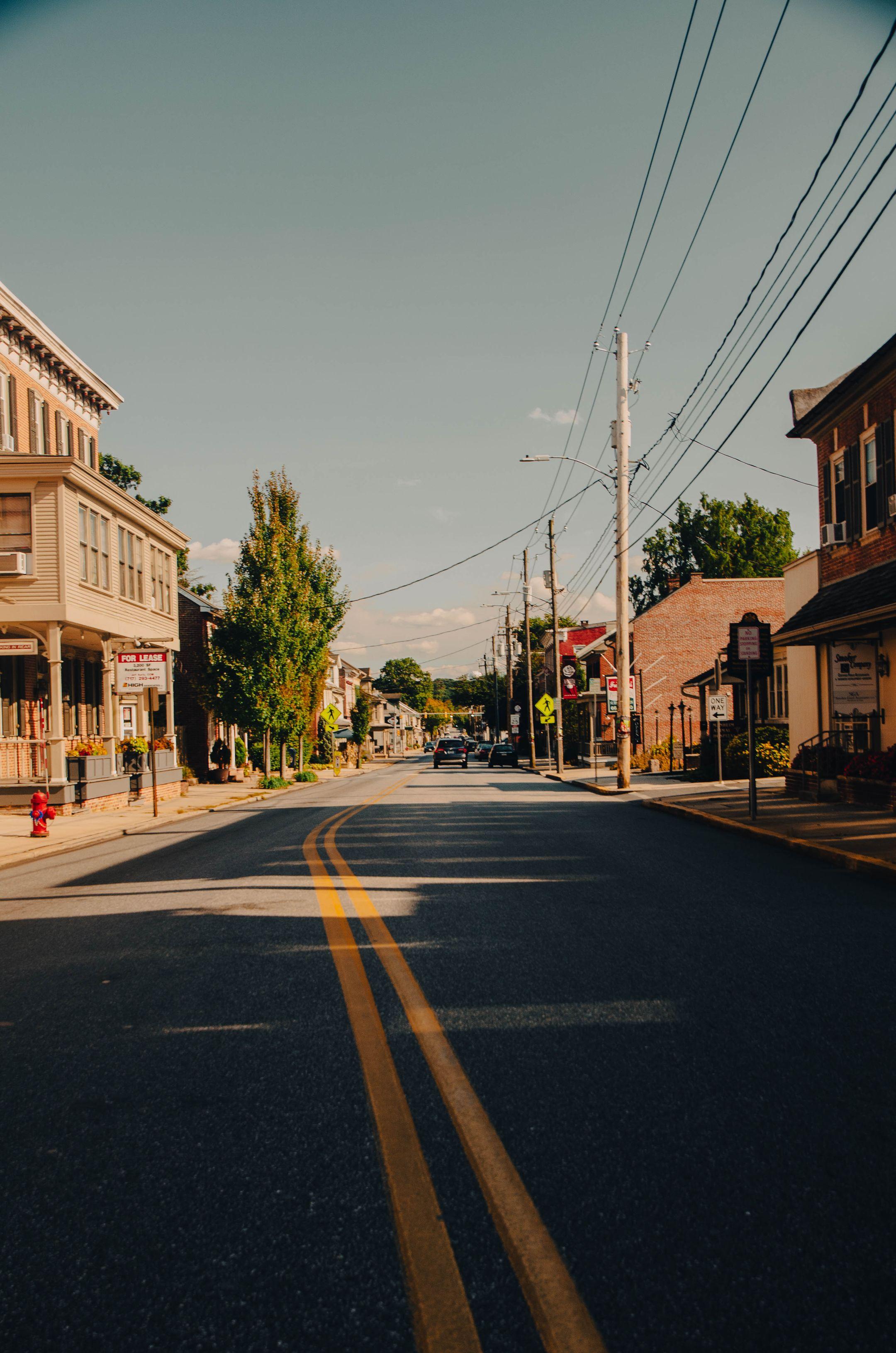
Most buyers who could use a USDA Rural Development loan have never heard of it. It’s the only major loan program that still offers 0% down, it comes with lower mortgage insurance than FHA, and it’s available on properties in a wider ring around Louisville than most people assume — not just deep farm country. If you’re open to living outside the Watterson Expressway, a USDA loan can be the cheapest way into a home you own outright with almost no cash up front.
What a USDA Loan Actually Is
The USDA Single Family Housing Guaranteed Loan Program (Section 502) is a mortgage backed by the U.S. Department of Agriculture, issued through ordinary mortgage lenders, for buyers purchasing a primary residence in an eligible rural or small-town area. There’s a second, less common track — the Direct Loan program — for very-low- and low-income buyers, funded directly by USDA Rural Development rather than a private lender. Almost everyone reading this will be looking at the Guaranteed program, so that’s the focus here.
The headline feature is 0% down. Instead of mortgage insurance, USDA charges a one-time upfront guarantee fee (currently 1% of the loan amount) and a small annual fee (currently 0.35% of the remaining balance, billed monthly) — both of which can be rolled into the loan rather than paid out of pocket. On a typical purchase, that combination runs meaningfully cheaper than FHA’s upfront and monthly mortgage insurance premiums, and it doesn’t require the 3.5% down FHA still asks for.
Just as important: USDA doesn’t use a fixed loan limit the way FHA and conforming conventional loans do. Your borrowing power is set by income and debt-to-income ratios, not a county-level purchase-price cap — which matters if you find a bigger or nicer property than a typical FHA limit would otherwise let you touch.
Where USDA-Eligible Property Actually Is Near Louisville
“Rural” is doing a lot of work in that program name, and it trips people up. USDA eligibility isn’t about how remote a property feels — it’s a population-based boundary that USDA redraws roughly every five years, and it’s checked address by address, not city by city. As a baseline: areas under 10,000 residents generally qualify automatically; places between 10,000 and 35,000 people can still qualify if they sit outside a metro area and show a documented lack of affordable mortgage credit.
Jefferson County (Louisville proper) and Fayette County (Lexington) are entirely off the map — there’s no USDA-eligible parcel in either one. But move out one ring and the picture changes fast. Much of Shelby, Oldham, Spencer, Henry, Trimble, and Nelson counties falls inside eligible boundaries, and so does most of Bullitt County outside a handful of ineligible city-limit pockets (Hillview, Zoneton, Maryville, Pioneer Village, and Brooks are carved out). Southern Indiana has similar rural stretches once you get past New Albany, Jeffersonville, and Clarksville. County seats and small towns — Shelbyville, La Grange, Taylorsville, Bardstown, and the smaller towns around them — often have eligible ground on their edges even where the dense downtown core doesn’t qualify, which is exactly why address-level verification matters more than county-level assumptions.
The only reliable way to know if a specific property qualifies is to check that exact address, because a county can look rural on paper and still contain an ineligible pocket near a city center, or the reverse. That’s a five-minute check we run for buyers before they fall in love with a listing that turns out to sit just inside an excluded boundary.
2026 Income Limits
USDA loans are income-capped, not price-capped. For the great majority of Kentucky counties (about 116 of 120), the 2026 limits are $119,850 for a 1–4 person household and $158,250 for a 5–8 person household. Northern Kentucky’s Boone, Campbell, Gallatin, and Kenton counties run slightly higher, at $128,600 and $169,800. Limits count the income of every adult in the household, not just the borrower’s, but allow deductions for things like childcare costs, dependents, and certain medical expenses — so a household that looks over the line on paper sometimes isn’t once a lender runs the actual worksheet.
Buy Where the Zoning Gives You Optionality
Here’s the part most USDA content skips entirely. A USDA loan has to finance your primary residence — it’s not an investment-property or commercial loan, and you have to actually live in the home. But nothing about that requirement means the zoning underneath the property has to be plain single-family residential.
Plenty of the small towns that ring Louisville have a “downtown” or mixed-use zoning district around their historic core — the kind of designation that allows a live/work setup, a ground-floor storefront with housing above, or a home-based professional office, alongside straightforward residential use. Buy a home in one of those districts with 0% down, and you’re not just buying a place to live — you’re buying a piece of ground whose highest and best use can shift as the town grows around it. A property that’s a house today, in a district zoned for more, can become a nurse practitioner’s office, an insurance agency, a small real estate brokerage, or income-producing space down the road, whether that means you eventually convert part of it yourself (subject to local code and your loan’s occupancy terms) or you simply sell into that upside once a small downtown has enough foot traffic and rooftops to make commercial use pencil.
That’s the piece worth underlining: zoning that allows more than one use gives a property optionality a strictly residential lot doesn’t have, and optionality is worth real money as a market matures. It’s a reason to look closely at a town’s zoning map, not just its USDA eligibility map, before you buy — and it’s exactly the kind of detail a generic nationwide USDA explainer never gets into, because it depends on knowing the specific towns and specific zoning codes in play.
How Winner Realty Helps
Most agents never bring up USDA financing because they only work Jefferson County, where it isn’t an option anyway. Winner Realty works Louisville and the counties around it, so we actually watch for USDA-eligible inventory — and for the zoning story behind it — as a normal part of a search, not a special request. If 0% down and a smarter zoning play sound like they’re worth a look, sign up for property alerts and tell us USDA is in play, or start an inquiry if you’re thinking about the investment angle specifically.
Frequently asked questions
Is Louisville itself eligible for a USDA loan?
No. Jefferson County has no USDA-eligible parcels, and neither does Fayette County (Lexington). Eligible ground starts in the counties around Louisville — Shelby, Oldham, Spencer, Bullitt (outside a few excluded pockets), Henry, Trimble, and Nelson, plus similar rural stretches in Southern Indiana.
Do I really need $0 down?
Yes — USDA is one of the only remaining true 0%-down mortgage programs. You’ll still want funds for closing costs and reserves, but there’s no down payment requirement, and the loan doesn’t carry traditional monthly PMI the way a conventional loan under 20% down does — just the upfront and annual guarantee fees, which are both financeable.
Can I use a USDA loan to buy an investment or rental property?
No. USDA financing requires the home to be your primary residence. The zoning-optionality angle above is about the long-term value and future flexibility of the property itself, not about running a full investment or rental operation while the USDA loan is in place — any conversion beyond what your local zoning and loan terms allow should be reviewed with your lender and the local planning department first.
What are the 2026 income limits?
For most Kentucky counties, $119,850 for a 1–4 person household and $158,250 for a 5–8 person household. Northern Kentucky’s Boone, Campbell, Gallatin, and Kenton counties are higher, at $128,600 and $169,800. These count all adult household income, with allowable deductions that can bring a borderline household back under the limit.
How do I know if a specific property qualifies?
Eligibility is checked address by address, not by county or city name — a county can look rural and still contain an ineligible pocket near a town center. We check the exact address for you before you get attached to a listing that might sit just inside an excluded boundary.
How is a USDA loan different from FHA?
FHA still requires 3.5% down and charges both an upfront and an ongoing mortgage insurance premium that generally costs more than USDA’s upfront and annual guarantee fees. FHA also caps loan amounts at a fixed county limit; USDA sizes your loan around income and debt-to-income ratios instead, with no separate purchase-price cap. The tradeoff is property location — FHA works anywhere, USDA only in eligible rural and small-town areas.