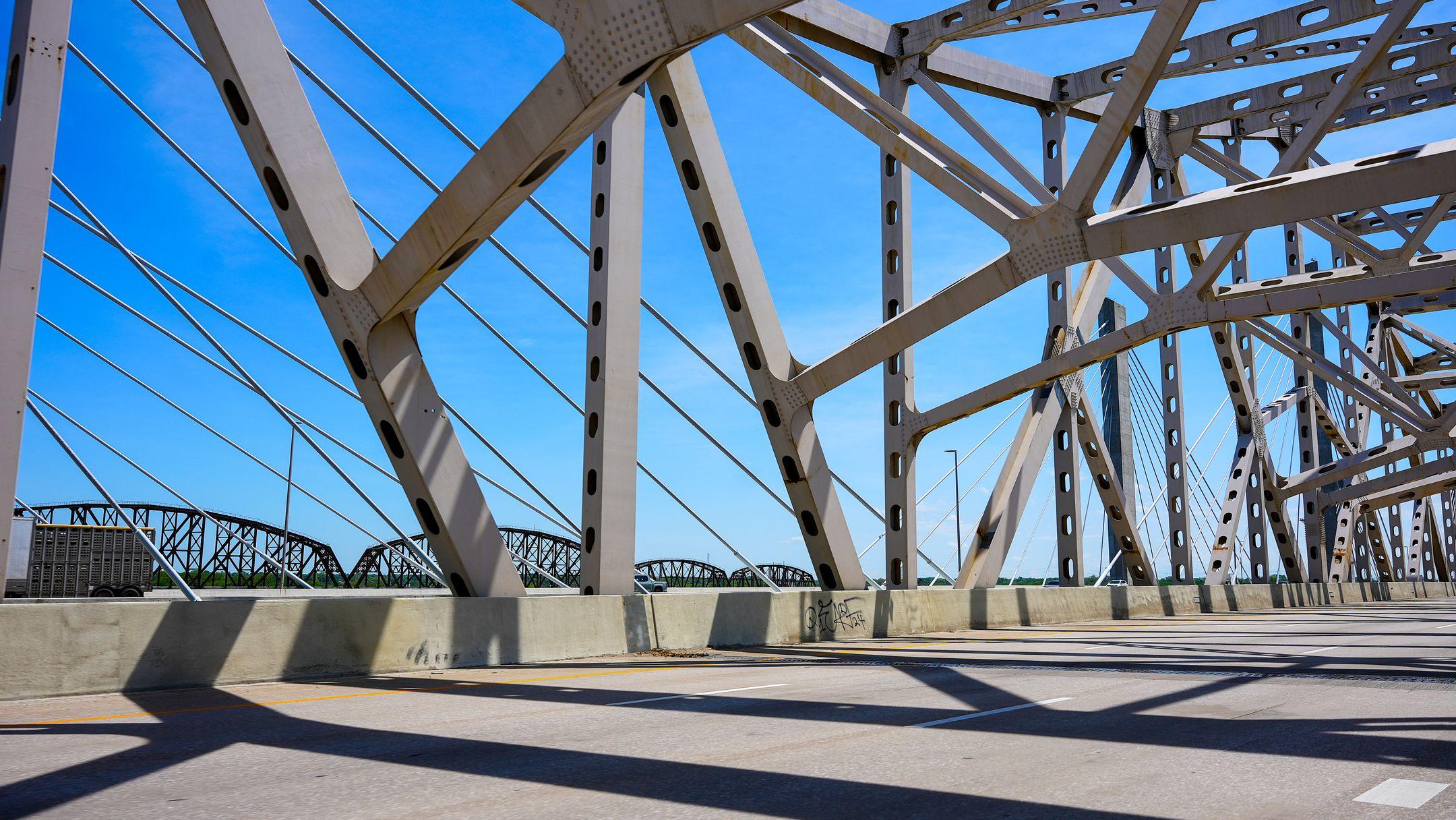
Portland was a town before it was a Louisville neighborhood, and you can still see it in the street grid, the shotgun houses and the old river buildings. It's one of the oldest parts of the city, one of the largest neighborhoods in the West End, and one of the places where the price of getting into an older Louisville home is still within reach.
Where Portland Is and How to Get Around
Portland sits in Louisville's West End along the Ohio River, just west of downtown. The river and the floodwall run along its northern side, and it borders the Russell and Shawnee neighborhoods and the western edge of downtown. Most of the neighborhood is in ZIP code 40212. I-64 runs through the area along the river, which puts downtown a few minutes away by car, and the 2nd Street and Sherman Minton bridges put Southern Indiana close by as well.
Louisville's Original River Town
Portland was laid out in 1811 by Gen. William Lytle II as its own town at the foot of the Falls of the Ohio. Boats had to unload there to get around the falls, so Portland grew up on wharves, warehouses and shipyards. The Louisville and Portland Canal, built from 1826 to 1833, let boats bypass the falls and shifted that business toward Louisville. Portland incorporated in 1834, was annexed by Louisville in 1837, voted for independence in 1842, and was annexed for good roughly a decade later.
The river shaped the neighborhood a second time in the 20th century. The 1937 flood, the largest on record for the Ohio River, hit Portland hard, and after later flooding the areas closest to the river were cleared and the floodwall was built. The Portland Historic District was listed on the National Register of Historic Places in 1980. The Squire Earick House, finished in 1812, is known as the oldest wood-framed structure in Louisville, and the U.S. Marine Hospital from 1847 still stands nearby.
What Homes in Portland Look Like
Expect a lot of shotgun houses, camelbacks and other narrow-lot homes from the 1800s and early 1900s, mixed with brick two-story homes, small commercial buildings on the corners, and newer infill houses on lots that sat empty for years. Condition ranges widely, from fully renovated homes to houses that need everything. That range is exactly why Portland gets so much attention from first-time buyers and from investors doing rehabs and rentals.
What's Actually Selling
Portland is one of the more affordable ways into an older, historic Louisville home, and prices depend heavily on condition. A renovated shotgun and an unrenovated one on the same block can sell for very different numbers, so comparable sales need to be matched on condition, not just square footage and street. Rentals and small multifamily buildings are part of the mix, too.
Daily Life and What's Nearby
Portland has real neighborhood anchors. The Portland Museum on Portland Avenue tells the story of the town and the river. The Portland Warehouse District brought artist studios and gallery space into old industrial buildings. Waterfront Park is growing west toward the neighborhood: PlayPort, a roughly 3.5-acre playground and the first piece of the park's Phase IV expansion, opened in 2025 near 10th and 13th streets, and Portland Wharf Park preserves the site of the old town wharf. Downtown's jobs and restaurants are a short drive east.
Who Tends to Buy in Portland
First-time buyers who want an older home with character at a lower entry price; buyers who want to renovate and build equity; investors buying rentals and rehab projects; and people who want to be close to downtown and the river.
Buying or Selling in Portland
For buyers: get a thorough inspection and budget honestly for age. Foundations, roofs, electrical, plumbing and sewer lines on older homes all matter here. National Register listing by itself doesn't restrict what an owner can do to a private home, but tax-credit rehab programs and some funding sources come with their own rules, so ask before you plan big exterior changes. If you're buying to rent, run the numbers on real rents and real repair costs, not best-case ones.
For sellers: condition drives price. Buyers here compare carefully, so fixing obvious items before listing, pricing against homes in similar condition, and marketing to both owner-occupants and investors usually gets the best result.
Frequently asked questions
What ZIP code is Portland in?
Most of Portland is in ZIP code 40212.
Is Portland its own city?
Not anymore. It started as an independent town in 1811 and has been part of Louisville since the mid-1800s.
Is Portland a historic district?
Yes. The Portland Historic District was listed on the National Register of Historic Places in 1980.
What kinds of homes are in Portland?
Mostly older homes: shotgun houses, camelbacks and brick homes from the 1800s and early 1900s, plus newer infill houses and some small multifamily buildings.
How far is Portland from downtown Louisville?
It sits just west of downtown, usually a five to ten minute drive.
Talk to Winner Realty
I'm Rob Bergeron with Winner Realty. If you're looking at Portland, whether it's your first home or your next rental, I'll pull comparable sales matched on condition, help you figure out what a house really needs before you buy it, and set you up on an alert for what's coming up in the neighborhood. Book a call and I'll walk you through the numbers.
Rob Bergeron is the Owner–Realtor of Winner Realty, an award-winning Louisville, Kentucky brokerage, and writes The Morning Bergeron, a daily Louisville real estate newsletter read by 60,000+ people. Kentucky license #219325.