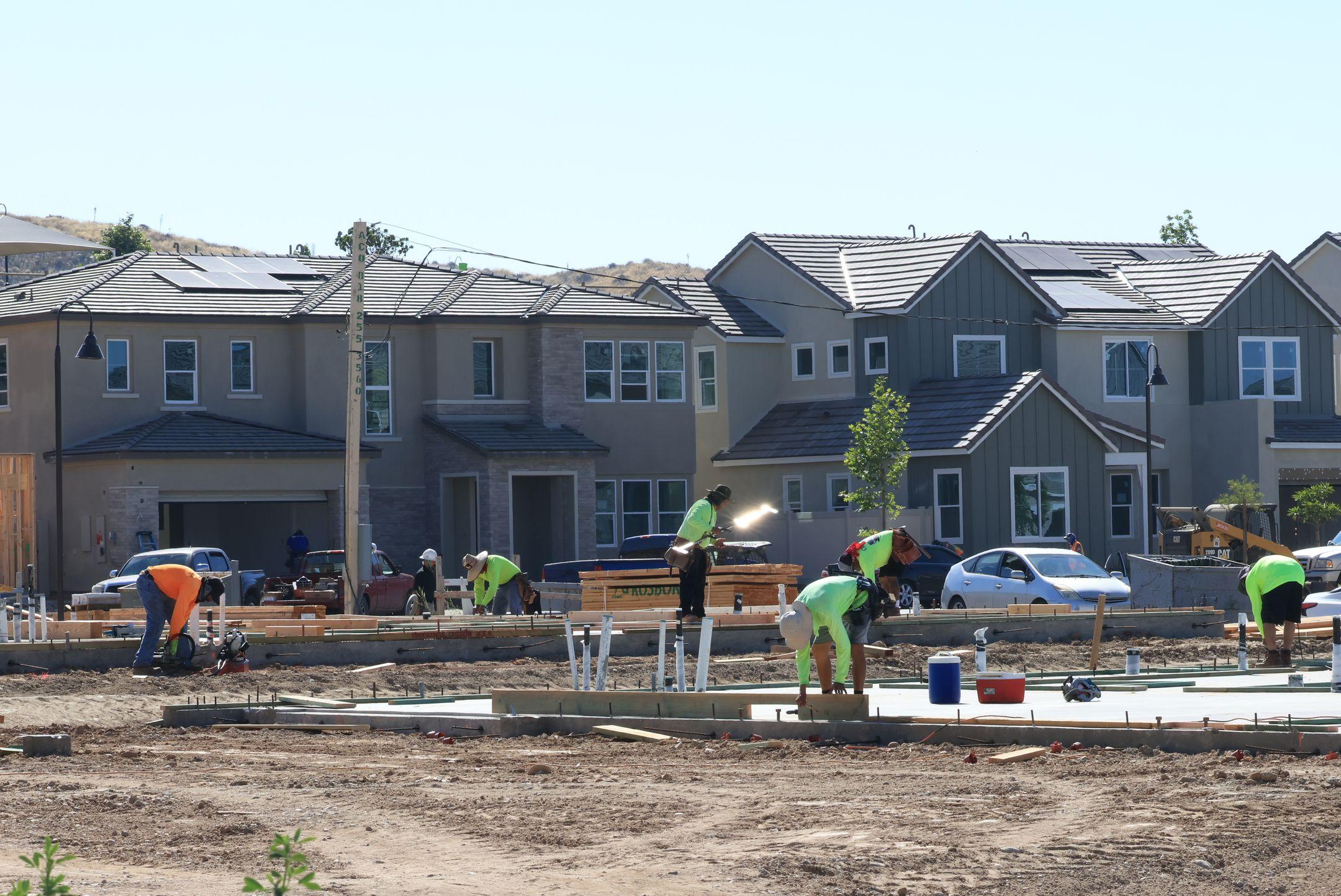
Russell is the historic center of Black Louisville's business, cultural, and civic life, and it's in the middle of one of the largest public and private redevelopment efforts happening anywhere in the city right now. Winner Realty covers West Louisville as part of a broader commitment to giving buyers and investors real information on every part of this market, not just the neighborhoods that already get the most attention — here's what actually matters if you're looking at property in Russell.
Where Russell Is and How to Get Around
Russell sits in West Louisville, bordered by West Market Street, 9th Street, West Broadway, and I-264, spanning ZIP codes 40203, 40211, and 40212. It's a five-minute drive from downtown Louisville and sits along several of the city's main east-west corridors, giving it quick access to I-64, I-65, and I-264.
A Neighborhood With an Outsized History
Russell grew up with Louisville's streetcar lines in the 1870s, and by the 1890s had become the center of Black Louisville life as white families moved to Old Louisville and the East End. By the 1940s, the Walnut Street business district here was known as "Louisville's Harlem" — theaters, restaurants, and nightclubs that made Russell one of the most important Black cultural districts in the country. The Western Branch of the Louisville Free Public Library, opened here in 1908, was the first public library in America open to Black patrons. A young Cassius Clay — later Muhammad Ali — was growing up a short distance away in the neighboring California neighborhood during these same years, in a West End community whose civic and cultural anchors were centered right here in Russell. 1960s urban renewal demolished much of the original business district and built the Beecher Terrace public housing complex in its place — a decision the city has spent the last decade working to undo.
The Redevelopment Happening Right Now
Russell is the target of Louisville's Choice Neighborhoods Initiative, a major federal-and-local redevelopment plan. Beecher Terrace itself has been through a nine-year, roughly $200 million transformation into new mixed-income apartments, with additional phases of affordable senior housing recently opening. Passport Health Plan built its headquarters at 18th and Broadway, bringing hundreds of jobs into the neighborhood. This is active, ongoing, publicly documented investment — not a rumor or a prediction — and it's the single biggest reason Russell deserves its own guide rather than being lumped in with West Louisville generally.
What Homes in Russell Look Like
Russell's housing stock is more varied than most Louisville neighborhoods: historic shotgun and camelback houses on narrow lots throughout, a handful of larger Victorian-era homes along the old Walnut and Chestnut Street corridors (now Muhammad Ali Boulevard and Chestnut Street), and a significant amount of newly built and newly renovated mixed-income housing tied to the Choice Neighborhoods rebuild. West Louisville also carries more vacant and buildable lots than almost anywhere else in the city, which is its own category of opportunity for buyers thinking about new construction or land banking.
What's Actually Selling
Price points in Russell run well below Louisville's urban-core average, which combined with the scale of public investment underway is why more investors are running the numbers here than at any point in years. Because so much of the neighborhood's built environment is changing block by block right now — a newly rebuilt block next to one that hasn't turned over in decades — comparable sales have to be pulled very locally and very recently rather than trusted as a neighborhood-wide figure.
Who Tends to Buy in Russell
Investors tracking the Choice Neighborhoods redevelopment and the broader West End investment story, buyers looking for the lowest entry price points still inside the urban core, and a growing number of buyers specifically drawn to the neighborhood's civil rights and cultural history.
Buying or Selling in Russell
Buyers should get a full inspection on any older shotgun or camelback stock here just as they would in Smoketown or Shelby Park, and should specifically confirm a property's proximity to active or planned redevelopment phases, since that materially affects both near-term value and what's likely to be built or renovated next door. Sellers should lean on very recent, very local comps rather than assuming West Louisville-wide pricing applies evenly, since conditions can differ significantly from block to block right now.
Frequently asked questions
What ZIP code is Russell in?
Russell spans ZIP codes 40203, 40211, and 40212.
What is the Choice Neighborhoods Initiative?
It's a federal-and-local redevelopment program targeting Russell, anchored by the roughly $200 million rebuild of the former Beecher Terrace public housing complex into new mixed-income housing, along with additional affordable and senior housing phases.
How far is Russell from downtown Louisville?
About five minutes by car.
What kind of houses are in Russell?
A mix of historic shotgun and camelback houses, a smaller number of larger Victorian-era homes along the old Walnut and Chestnut Street corridors, and newly built or newly renovated mixed-income housing tied to the current redevelopment.
Is Russell a good area for investment property?
Price points well below Louisville's urban-core average, combined with a large, publicly funded redevelopment underway, are drawing real investor attention. As with any neighborhood mid-transformation, run comparable sales block by block and confirm proximity to active redevelopment phases before setting a number.
Talk to Winner Realty
I'm Rob Bergeron with Winner Realty. If you're looking at Russell as an investor, a buyer, or a seller, I can walk you through exactly where the Choice Neighborhoods redevelopment stands block by block, pull real recent comps, and set you up on an alert for what comes to market here next. Book a call and I'll walk you through the numbers.
Rob Bergeron is the Owner–Realtor of Winner Realty, an award-winning Louisville, Kentucky brokerage, and writes The Morning Bergeron, a daily Louisville real estate newsletter read by 60,000+ people. Kentucky license #219325.