A home inspection is your best chance to learn what you are really buying. In Louisville, where so many homes are 50 to 120 years old and so many have basements, inspections tend to turn up the same handful of issues. Here is what to expect and how to handle it.
What a standard inspection covers
A general home inspection looks at the visible and accessible parts of the home: roof, attic, structure, foundation, electrical, plumbing, heating and cooling, water heater, windows, doors and more. It is visual and non-invasive. Inspectors don't open walls. That is why the add-ons below matter.
What Louisville inspections commonly find
Old sewer laterals
Many older Louisville homes still have clay or cast iron sewer lines running from the house to the street. Roots, cracks and sags are common. A sewer scope, where a camera runs through the line, is one of the most valuable add-ons you can buy on an older home. A collapsed lateral can be a five-figure repair.
Water in the basement
Basements are everywhere in Louisville, and so are signs of past water: efflorescence on block walls, stains, old patch jobs, sump pumps and dehumidifiers running hard. Look at gutters, downspouts and grading first, because those are the cheapest fixes. Ask the seller about the history and read the seller's disclosure carefully.
Sewer backups
Some Louisville neighborhoods have had basement sewer backups in heavy storms. A backwater valve can help in the right situations. MSD's old Plumbing Modification Program, which paid for backflow prevention for thousands of homeowners, has been discontinued according to local news reports, so today this is generally the owner's cost. Ask whether the home has had a backup and whether a valve is installed.
Radon
Jefferson County has elevated radon potential. Radon is invisible and odorless, and the only way to know is to test. A radon test during the inspection period is inexpensive, and mitigation is a well-understood fix. Read our radon guide for Louisville buyers and sellers.
Older electrical
Homes in places like Old Louisville, the Highlands, Germantown and Crescent Hill can have knob-and-tube wiring, ungrounded outlets, undersized panels or amateur rewiring. Some insurers ask about these. Get a licensed electrician's opinion on anything flagged.
Galvanized and older plumbing
Galvanized steel supply lines corrode from the inside and reduce water pressure over time. Polybutylene and other older materials can show up in mid-century and later homes.
Foundations and settling
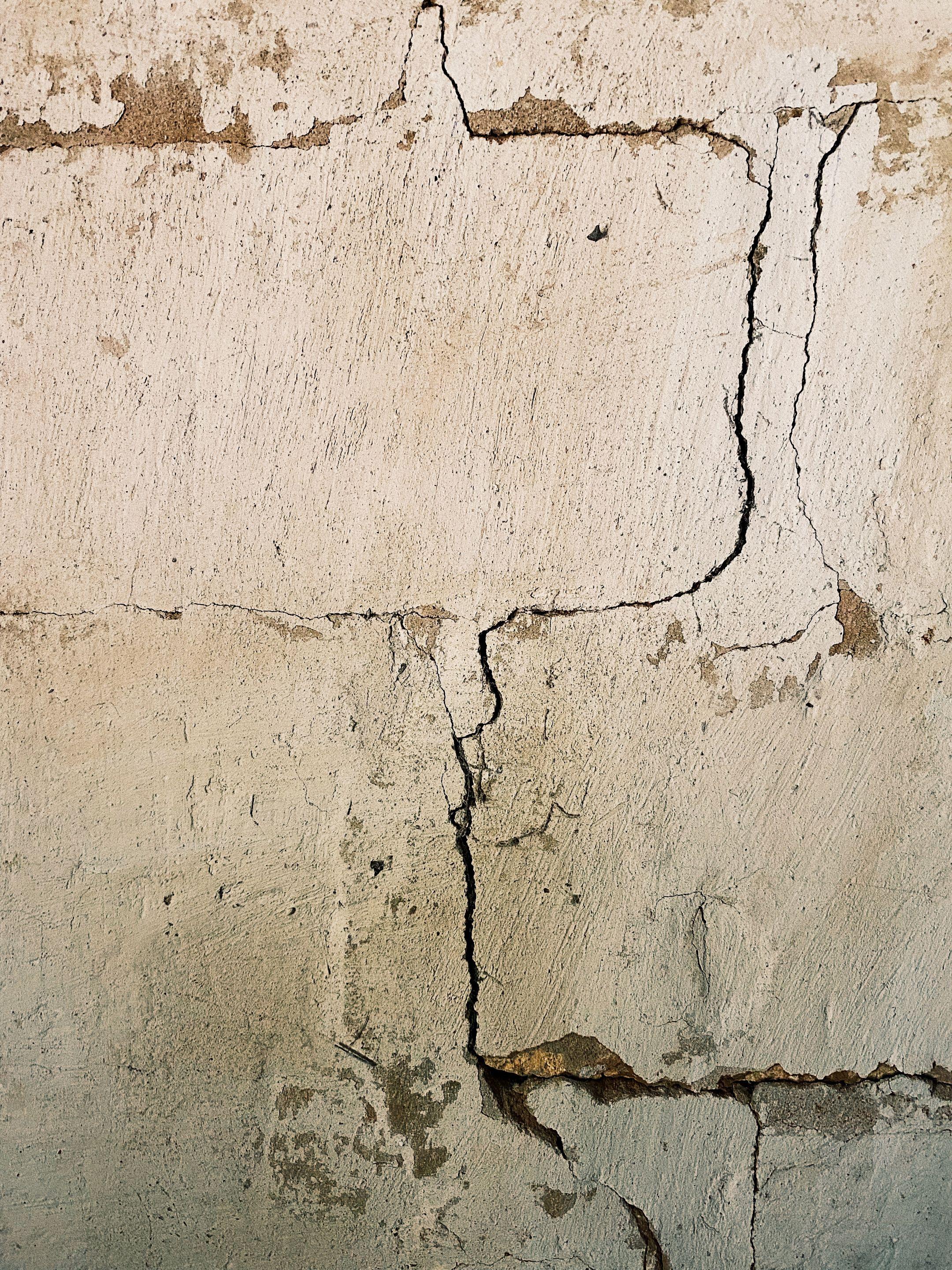
Cracks in block or poured walls, sticking doors and sloping floors. Most are cosmetic or minor. Some need a structural engineer. If the inspector says "evaluate further," do it during your inspection period. See foundation problems in Louisville homes.
Aging systems
Furnaces, AC units, water heaters and roofs near the end of their life. These aren't defects, but they are budget items. Ask the seller for ages and service records.
Lead-based paint
Homes built before 1978 may have it. Federal law requires a disclosure and gives buyers an opportunity to test.
Add-on inspections worth considering
- Sewer scope: almost always worth it on homes older than about 40 years.
- Radon test: worth it on nearly every Louisville home with a basement or crawlspace.
- Wood-destroying insect inspection: often requested by lenders on certain loans and smart anyway.
- Structural engineer: when the inspector flags foundation concerns.
- HVAC service check: on older systems.
- Well and septic: on rural properties in Oldham, Bullitt, Shelby or Southern Indiana. See our acreage checklist.
- Flood zone check: use our Louisville flood zone lookup and read flood zones for Louisville buyers.
How to ask for repairs without losing the house
- Focus on big-ticket items and hazards: roof leaks, active water, sewer problems, electrical hazards, structural issues, radon above the action level.
- Skip the cosmetic list. Sellers react badly to 40-item requests about caulk and paint.
- Ask for a credit instead of repairs when you want control of the work, or when the repair would be rushed.
- Get estimates. A contractor's quote makes your request credible.
- Watch the deadline. Your inspection contingency only protects you inside the inspection period. See the contract-to-close timeline.
For sellers: should you pre-inspect?
On older homes, a pre-listing inspection and sewer scope can pay for themselves. You find problems on your schedule, fix or price them in, and disclose them up front. Fewer surprises means fewer renegotiations in week two.
Frequently asked questions
What do home inspectors find most often in Louisville?
Common findings include aging clay or cast iron sewer lines, signs of past basement water, older electrical and plumbing in historic neighborhoods, foundation cracks, aging HVAC and roofs, and elevated radon.
Is a sewer scope worth it in Louisville?
On older homes, usually yes. A camera inspection of the sewer lateral can reveal roots, cracks or collapses that a standard inspection can't see, and sewer line replacements can be expensive.
Should I test for radon in Louisville?
Yes. Jefferson County has elevated radon potential, and testing is the only way to know a home's level. Testing during the inspection period is inexpensive.
Does MSD pay for backflow valves in Louisville?
MSD's former Plumbing Modification Program, which paid for backflow prevention devices, has been discontinued according to local news reports. Check with MSD for any current programs before you assume help is available.
Buying an older home?
We will help you line up the right inspections, read the report, and decide what is worth negotiating. Book a time, text us at (502) 305-8915, or email Rob@thewinnerrealty.com.
Sources: Louisville MSD Plumbing Modification Program information and WDRB reporting on the program's end; U.S. EPA radon guidance; federal lead-based paint disclosure rules.