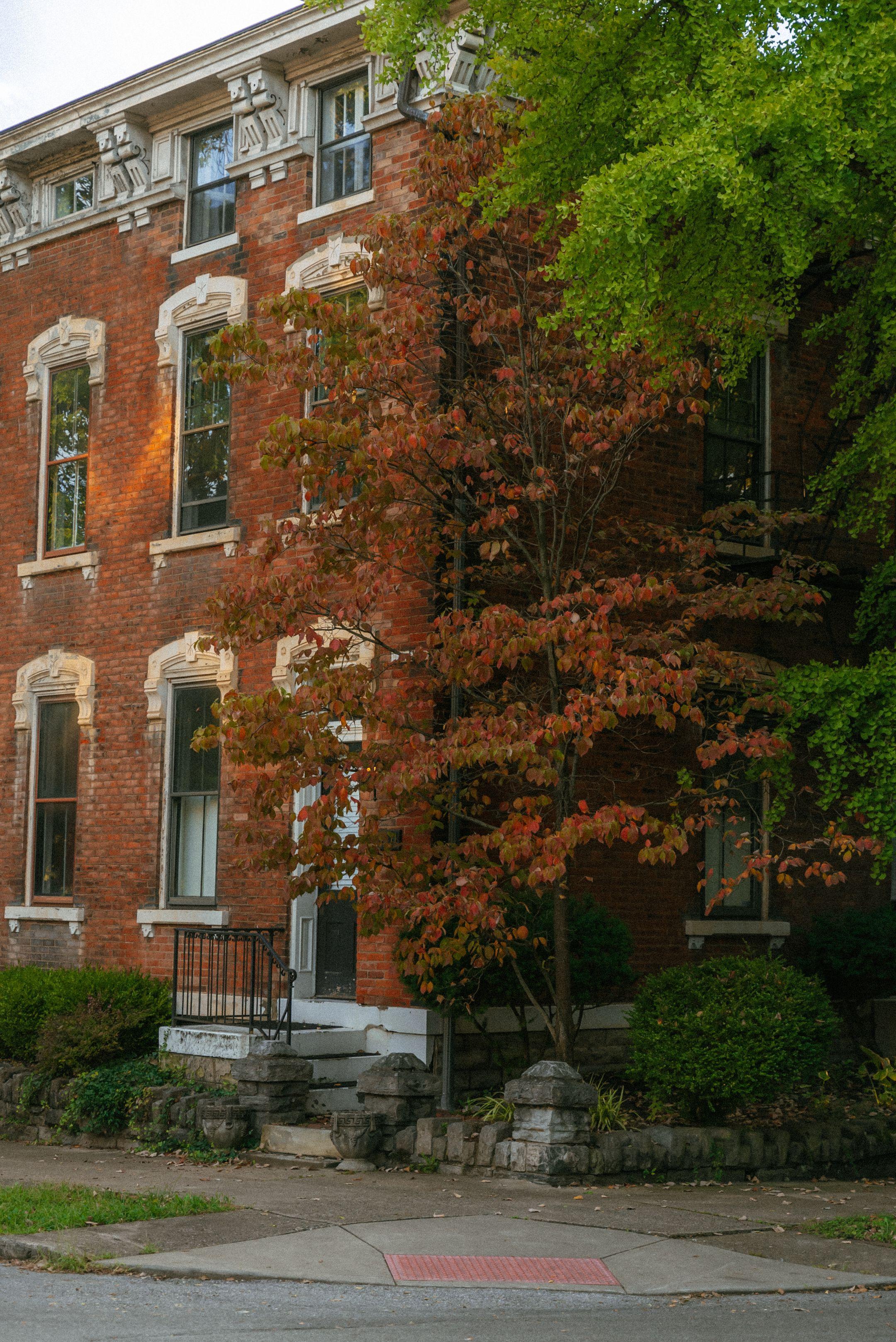
Louisville doesn't brag much, but this is one thing it has earned. South of downtown sits Old Louisville, which the American Planning Association describes as "the largest collection of Victorian mansions in the United States," and which Louisville Tourism calls the "largest collection of restored Victorian homes in the country." The Old Louisville Neighborhood Council puts it as the "largest contiguous collection of Victorian mansions in the United States." Add Cherokee Triangle, Limerick, Butchertown, and the Victorian-era shotgun cottages across the older neighborhoods, and Louisville has one of the deepest supplies of Victorian-era housing of any American city.
This post covers what makes Old Louisville unusual, where else in Louisville you can find Victorian homes, and what a buyer should know before making an offer on a 120-year-old house. For zip-code-level numbers, streets and price bands, see our full Old Louisville Real Estate Guide.
What the national claims actually say
You'll see Old Louisville described a lot of ways online: "largest Victorian district," "third-largest historic district in the country," "America's best-preserved Victorian neighborhood." Here is what the sources we trust actually say:
- American Planning Association (Great Places in America, 2016): "the largest collection of Victorian mansions in the United States," in a neighborhood of "approximately 1,200 acres" just south of downtown.
- Louisville Tourism (GoToLouisville.com): "largest collection of restored Victorian homes in the country" and "one of the largest historic preservation districts in the United States," covering "more than 40 city blocks of Victorian-era homes."
- Old Louisville Neighborhood Council: "the largest contiguous collection of Victorian mansions in the United States."
- National Register of Historic Places: the Old Louisville Residential District was listed in 1975 and expanded in 1984. The nomination describes it as "the largest collection of High Victorian architecture in the city of Louisville."
Notice what's missing: no federal agency publishes a national ranking of Victorian neighborhoods. The "largest collection" wording comes from planners, tourism officials and the neighborhood itself, and it's widely accepted. The "third-largest historic district" line gets repeated a lot, but we couldn't trace it to a primary source, so we don't use it.
What makes Old Louisville different
It was built all at once, by the city's top architects
Old Louisville started filling in during the 1850s. The big wave came after the Southern Exposition, which ran on the site from 1883 to 1887. According to the National Register nomination, for about sixty years "the city's leading architects were commissioned to design dozens of homes" for prominent Louisville residents. Because it was built in one concentrated period, whole blocks read as one piece.
The styles
The National Register documentation lists Italianate Villa, High Victorian Gothic, Queen Anne, Richardsonian Romanesque, Châteauesque, Renaissance Revival, Colonial Revival, Arts and Crafts and Bungalow. On the ground that means:
- Richardsonian Romanesque: heavy rough-cut stone, deep round arches, towers. The Conrad-Caldwell House is the showpiece.
- Queen Anne: turrets, wraparound porches, irregular rooflines, patterned brick and stained glass.
- Châteauesque: steep roofs, dormers and spires borrowed from French country houses.
- Italianate: tall narrow windows, bracketed cornices, often on the brick rowhouses and two-story houses toward the south end.
St. James Court and Belgravia Court
The courts were developed on the old Exposition grounds, and most houses were built between 1892 and 1905. St. James Court has a central green and fountain. Belgravia Court is a "walking court," with a shared green, parallel sidewalks and no car access. The St. James–Belgravia Historic District was added to the National Register in 1972.
The Conrad-Caldwell House
On St. James Court at Magnolia, the Conrad-Caldwell House was designed by Arthur Loomis and finished in 1895 for tanning merchant Theophilus Conrad. The museum calls it a "Richardsonian Romanesque castle." The St. James Court Association bought it in 1987, and it has been a house museum ever since. Tour it before you shop; it shows what these houses looked like new.
The St. James Court Art Show
The Art Show began on October 12, 1957, as a neighborhood fundraiser. It now brings more than 600 artists to Old Louisville's gaslit streets on the first weekend of October; the 2026 show runs October 2–4. Sunshine Artist Magazine has ranked it among the nation's top fine art and design shows, including No. 1 in 2019 and 2023 and No. 2 in 2025. If you buy on or near the courts, plan on that weekend being busy every year.
Where else to find Victorian homes in Louisville
Old Louisville has the mansions, but it isn't the only option:
- Cherokee Triangle (Highlands): Queen Anne, Richardsonian Romanesque, Colonial Revival and Craftsman houses built roughly 1885 to 1925, many with alleys and carriage houses. It's a local preservation district and generally the most expensive Victorian stock in the city. See our Highlands guide and Cherokee Triangle guide.
- Limerick: Just west of Old Louisville, developed from the 1860s for Louisville & Nashville Railroad workers, with Queen Anne and Romanesque houses from the 1890s alongside shotguns. It has been a local preservation district since 1979.
- Butchertown: Shotgun houses and brick houses with Eastlake details on small lots. It has been a local preservation district since 2003. See our NuLu and Butchertown guide.
- Clifton: A local preservation district of Victorian-era shotguns, cottages and two-story frame houses near Frankfort Avenue. See our Clifton guide.
- Germantown, Schnitzelburg and Portland: Louisville's shotgun belt. The local history site HistoricLouisville.com dates most of the city's surviving shotguns to 1890–1915, and says that since Hurricane Katrina, Louisville has had the largest collection of shotgun houses in the country. See our Germantown and Schnitzelburg guide and Portland guide.
What a Victorian costs in Old Louisville right now
In August 2026, Flexmls showed a median sold price of $177,000 in zip 40208. That number mixes condos in converted mansions with single-family houses, so it doesn't tell you what a mansion costs. Our Old Louisville guide breaks it down by price band. Most intact, restored Victorians on the numbered streets fall between $300,000 and $600,000. St. James Court, Belgravia Court and the largest Third and Fourth Street mansions start around $600,000.
What to know before you buy a Victorian
Preservation district rules
Old Louisville, Limerick, Butchertown, Cherokee Triangle and Clifton are among Louisville Metro's eight local preservation districts. Before you change the exterior of a house in one of them, you need a Certificate of Appropriateness from the Historic Landmarks and Preservation Districts Commission. That covers windows, doors, siding, roofing, porches, fences, additions and demolition. Interior work doesn't need review. If replacement windows match the originals in material and profile, they're routinely approved. Vinyl on a street-facing side usually isn't. Build that into your renovation budget from the start.
Tax credits can help
If a house is on the National Register, on its own or as a contributing building in a district, it may qualify for Kentucky's historic rehabilitation tax credit. The Kentucky Heritage Council runs the program. The legislature changed it in 2026 (HB 757), and the Council warns that starting work before your plans are approved is at your own risk. Confirm eligibility and current terms with the Council before you count the credit in your numbers.
Inspection points specific to old houses
- Roofs and box gutters: Slate and tile roofs can last a very long time, but the box gutters built into the cornice are the most common source of water damage. Hire an inspector who knows slate.
- Wiring: Knob-and-tube wiring survives in houses that were never fully rewired. Some insurers won't write a policy until it's replaced.
- Heat: Many houses still run on boiler-and-radiator systems. Have the boiler serviced and ask about its age and the fuel history.
- Plaster and masonry: Original plaster is an asset, but look for cracks that point to settling. Check brick for failing mortar and for movement in the shared walls of rowhouses.
- Sewer lines: Cast-iron stacks and clay sewer lines are standard in these houses. Get a sewer camera scope.
- Lead and asbestos: The pre-1978 lead paint disclosure applies. Watch for asbestos on old pipe insulation.
Insurance
Get insurance quotes before your inspection period ends, not after. Replacement cost on a stone house with slate, stained glass and hand-carved woodwork can be high. The age of the electrical and heating systems, and the roof's condition, will drive both whether you can get a policy and what it costs.
Carriage houses
Many Old Louisville and Cherokee Triangle houses have carriage houses on the rear alley, which is also where you get off-street parking. Before you plan to rent one out or use it as a short-term rental, check zoning and Louisville's STR rules. Old Louisville and Limerick are the two neighborhoods where even an owner-occupied short-term rental needs a Conditional Use Permit.
Frequently asked questions
Is Old Louisville really the largest Victorian neighborhood in the country?
The American Planning Association calls it "the largest collection of Victorian mansions in the United States," and Louisville Tourism and the Old Louisville Neighborhood Council describe it the same way. No federal agency publishes an official national ranking, but those are the most authoritative sources making the claim.
How big is Old Louisville?
The American Planning Association describes the neighborhood as about 1,200 acres, and Louisville Tourism says it covers more than 40 city blocks of Victorian-era homes.
Do I need permission to renovate a Victorian in Louisville?
Only for exterior work, and only if the house is in a local preservation district or is an individual landmark. In Old Louisville, Limerick, Butchertown, Cherokee Triangle and Clifton, exterior changes need a Certificate of Appropriateness. Interior work isn't reviewed.
What are the biggest inspection issues with Victorian homes?
Box gutters and roofs, knob-and-tube wiring, old boilers and radiators, cast-iron and clay sewer lines, plaster and masonry cracking, and lead paint. Inspect for all of them, and get insurance quotes before your inspection period ends.
Where can I find a smaller Victorian-era house in Louisville?
Look at the shotgun cottages in Germantown, Schnitzelburg, Butchertown, Clifton, Limerick and Portland, most built between 1890 and 1915, or at condos inside converted Old Louisville mansions.
Talk to Winner Realty about buying a Victorian
If you've been interested in buying a Victorian home, reach out to us. Rob Bergeron and The Winner Realty team work Old Louisville, Cherokee Triangle and Louisville's other historic neighborhoods regularly. We'll help you read a house's Certificate of Appropriateness history, line up an inspector who knows slate and box gutters, and price your offer against the right comparable sales. Call (502) 305-8915 or book a conversation.
Sources
- American Planning Association, "Old Louisville: Louisville, Kentucky," Great Places in America: Neighborhoods, 2016: https://www.planning.org/greatplaces/neighborhoods/2016/oldlouisville/
- Louisville Tourism, "Old Louisville": https://www.gotolouisville.com/neighborhoods/old-louisville/
- Historic Old Louisville Visitors Center / Old Louisville Neighborhood Council, Visitors: https://www.oldlouisville.org/visitors
- Old Louisville Residential District National Register text (1975 listing, 1984 expansion; styles and "largest collection of High Victorian architecture in the city"), reproduced at LivingPlaces: https://www.livingplaces.com/KY/Jefferson_County/Louisville_City/Old_Louisville_Residential_District.html
- Wikipedia, "Old Louisville" (NRHP reference 84001583; used for background only): https://en.wikipedia.org/wiki/Old_Louisville
- Wikipedia, "St. James–Belgravia Historic District" (1972 NRHP listing, 1892–1905 construction, Southern Exposition 1883–1887): https://en.wikipedia.org/wiki/St._James%E2%80%93Belgravia_Historic_District
- Conrad-Caldwell House Museum: https://www.conradcaldwell.org/
- Conrad-Caldwell House (1987 purchase by St. James Court Association), ExploreKYHistory: https://explorekyhistory.ky.gov/items/show/603
- St. James Court Art Show, History (1957 founding, Sunshine Artist rankings, 2026 dates): https://www.stjamescourtartshow.com/history/
- Louisville Tourism, St. James Court Art Show (600+ artists): https://www.gotolouisville.com/events/st-james-court-art-show1/
- Wikipedia, "Limerick, Louisville" (1860s L&N origins, 1979 preservation district): https://en.wikipedia.org/wiki/Limerick,_Louisville
- Wikipedia, "Butchertown, Louisville" (Eastlake details, shotguns): https://en.wikipedia.org/wiki/Butchertown,_Louisville
- HistoricLouisville.com, "Shotgun" (1890–1915 construction, post-Katrina largest collection): https://historiclouisville.com/shotgun/
- Kentucky Heritage Council, Rehabilitation Tax Credits overview: https://heritage.ky.gov/historic-buildings/rehab-tax-credits/Pages/overview.aspx
- Louisville Metro, Local Preservation Districts & Individual Landmarks: https://louisvilleky.gov/government/office-planning/local-preservation-districts-individual-landmarks
- Louisville Metro, Old Louisville Preservation District (1974 designation): https://louisvilleky.gov/government/office-planning/old-louisville-preservation-district
- The Winner Realty, Old Louisville Real Estate Guide (Flexmls August 2026 data, price bands, COA process, STR rules): https://www.thewinnerrealty.com/old-louisville-real-estate-guide
- The Winner Realty, Highlands Louisville Real Estate Guide (Cherokee Triangle styles and dates): https://www.thewinnerrealty.com/highlands-louisville-real-estate-guide
- The Winner Realty, NuLu & Butchertown Real Estate Guide (Butchertown preservation district since 2003): https://www.thewinnerrealty.com/nulu-butchertown-louisville-real-estate-guide
- The Winner Realty, Clifton & Clifton Heights Real Estate Guide: https://www.thewinnerrealty.com/clifton-clifton-heights-louisville-real-estate-guide