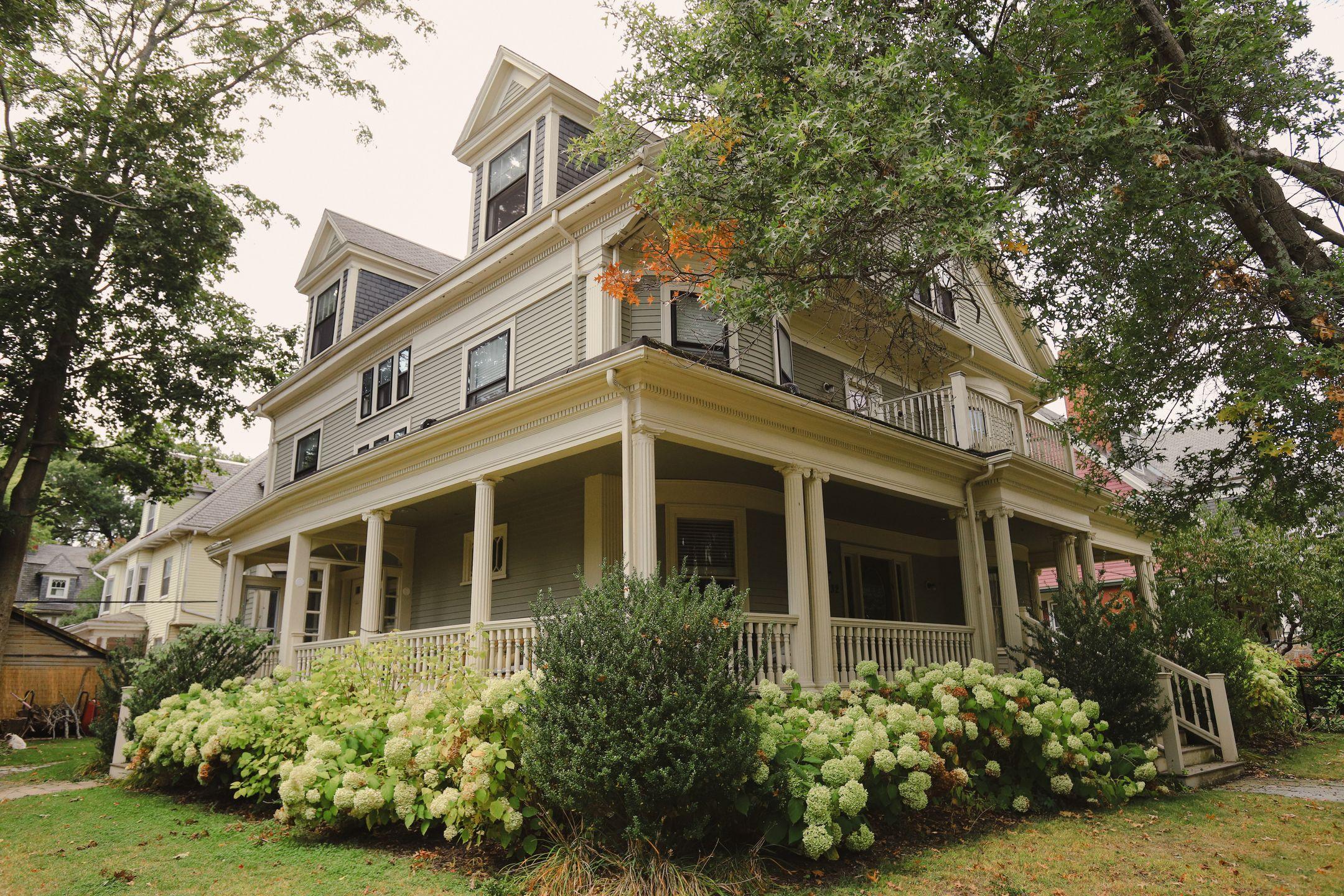
Louisville has one of the largest collections of Victorian, Craftsman and early-20th-century housing in the United States, and 221 of those homes are for sale right now (November 8, 2026) in the city's historic districts, from under $25,000 to $2,995,000, with a median asking price of about $295,000. Half are listed between $220,000 and $399,900. Old Louisville alone is the largest contiguous Victorian neighborhood in the country, and the Highlands, Cherokee Triangle, Crescent Hill, Clifton, Butchertown, Germantown and Portland each have their own preservation districts. This guide covers prices by district, what the historic overlay does and does not control, the inspection issues that come with a 120-year-old house, and the financing and tax credits that make them workable.
Historic home prices right now
- Under $200,000: 43 homes
- $200,000 to $300,000: 73 homes
- $300,000 to $400,000: 52 homes
- $400,000 to $600,000: 29 homes
- $600,000 to $1,000,000: 19 homes
- $1,000,000 and up: 5 homes
The median listed historic home is about 1,574 square feet; 82 of the 221 listings are two-bedroom (shotguns and camelbacks) and 78 are three-bedroom. Price per square foot runs from under $100 for a shotgun needing full renovation in Portland or Shelby Park to $300-plus for a finished Cherokee Triangle Victorian. Condition, not age, sets the price.
Where the historic homes are, by ZIP code
- 40203 (Old Louisville): 64 for sale
- 40204 (Highlands): 63 for sale
- 40208 (University of Louisville): 38 for sale
- 40205 (Upper Highlands): 31 for sale
- 40206 (Clifton): 25 for sale
Old Louisville (40203, 40208)
Roughly 48 blocks of 1880s-to-1910s Victorian mansions, brownstones and brick rowhouses south of Broadway around Central Park and the UofL campus. Many of the largest homes were cut into apartments in the mid-20th century and are being converted back, which is why you will see both finished single-family homes above $700,000 and multi-unit buildings under $300,000 on the same block. The Old Louisville Preservation District is the strictest in the city on exterior changes. See the 40203 ZIP guide.
Highlands and Cherokee Triangle (40204, 40205)
1890s-to-1930s Victorians, Craftsman bungalows, foursquares and Tudor revivals along Bardstown Road, Cherokee Road and the streets off Cherokee Park. The Cherokee Triangle Preservation District covers the Triangle itself; the rest of the Highlands is mostly unregulated beyond normal zoning. This is Louisville's most expensive historic market. See the Highlands guide.
Crescent Hill, Clifton and Butchertown (40206)
Frankfort Avenue's 1890s-to-1920s frame and brick homes, Clifton's shotguns and camelbacks, and Butchertown's early-1800s brick cottages (some of the oldest houses in the city). Clifton and Butchertown both have local preservation districts. See the Crescent Hill guide and the NuLu and Butchertown guide.
Germantown, Schnitzelburg and Shelby Park (40204, 40217)
The city's biggest concentration of shotgun houses, built from the 1880s to the 1920s for the workers at the neighborhood's breweries and factories. Most are two bedrooms and under 1,200 square feet, which keeps them among the most affordable historic homes in Louisville. See the 40217 ZIP guide.
Portland and Russell (40212, 40211, 40203)
Louisville's oldest neighborhood outside Downtown, with 1850s-to-1900s brick and frame homes, a local preservation district and the lowest prices for historic architecture in the city. Many listings are full renovation projects. See the 40212 ZIP guide.
What a preservation district means for you
Louisville Metro has eight local preservation districts (Old Louisville, Cherokee Triangle, Clifton, Butchertown, Limerick, Parkland, Portland and West Main Street) plus individual landmarks. Inside a district, exterior changes visible from the street (windows, doors, siding, porches, additions, fences, demolition) need a Certificate of Appropriateness from the Landmarks Commission staff or the district's Architectural Review Committee. Interiors are not regulated. Paint color is not regulated. Routine repair with matching materials is approved at the staff level, usually within days. National Register listing by itself, which covers much of the Highlands and Crescent Hill, imposes no restrictions on a private owner; it is the local district that does.
Inspection issues in a 100-year-old Louisville house
Expect knob-and-tube or cloth-wrapped wiring in any house not already rewired (most insurers will not write a policy until it is replaced); galvanized or lead water lines and cast-iron drains; a stone or soft-brick foundation that needs tuckpointing; slate or tile roofs that are expensive to repair and priceless to keep; original windows that are worth restoring rather than replacing; plaster walls; and lead paint, which is a disclosure item on every pre-1978 home. Budget a sewer-line camera inspection (about $200) on every historic purchase; the lateral to the street is the owner's responsibility and clay tile lines fail. A specialized old-house inspector costs a little more than a general inspector and is worth it.
Financing and tax credits for historic homes
A finished historic home finances like any other house. A project house usually needs a renovation loan: the FHA 203(k) and Fannie Mae HomeStyle both let you borrow the purchase price plus the renovation cost in one mortgage at today's 7.18% market rate. Kentucky offers a 30 percent state historic rehabilitation tax credit for owner-occupied homes on the National Register or in a listed district (minimum $20,000 of qualified work, credit capped at $60,000), and the Metro Louisville Landmarks program can assist with the application. Louisville's property tax assessment moratorium lets you freeze the assessed value for five years while you renovate a home that is at least 25 years old. See the Louisville property tax guide for the details and the mortgage payment calculator for the payment.
Search historic homes for sale right now
See every historic home for sale in the Louisville area on our live MLS search, updated every few minutes from the Louisville MLS. Want them before everyone else? Set up a historic home listing alert and tell us your price range and must-haves; you get an email the morning a match hits the market, and a real person (not a bot) follows up only if you ask. Weekend plans? Every open house in Louisville this weekend is on one page.
Selling a historic home?
Start with the instant home value estimate (no contact info required for the range), then run the seller net proceeds calculator. When you are ready to list, Winner Realty puts your home live on the MLS within three business days, guaranteed, syndicates it to Zillow, Realtor.com and 200-plus sites, and puts it in front of the 70,000-plus buyers on OffMarket.deals. If you would rather skip the showings, we will bring you a cash offer so you can compare both paths side by side.
Frequently asked questions
How much does a historic home cost in Louisville, KY?
Today the median asking price in Louisville's historic districts is about $295,000, with half of listings between $220,000 and $399,900. Shotgun houses needing full renovation start under $25,000; finished Old Louisville and Cherokee Triangle mansions run to $2,995,000.
Where are Louisville's historic neighborhoods?
Old Louisville (the largest Victorian neighborhood in the U.S.), the Highlands and Cherokee Triangle, Crescent Hill, Clifton, Butchertown, Germantown and Schnitzelburg, Portland and Russell, plus smaller districts such as Limerick and Parkland.
Can I change the exterior of a home in a Louisville preservation district?
Yes, with a Certificate of Appropriateness from the Landmarks Commission for changes visible from the street. Routine repairs with matching materials are approved at staff level. Interiors and paint colors are not regulated.
Are there tax credits for restoring a historic home in Kentucky?
Yes. Kentucky's state historic rehabilitation tax credit returns 30 percent of qualified owner-occupied rehab costs (capped at $60,000), and Louisville's assessment moratorium freezes the property tax value for five years during renovation of a home at least 25 years old.
What is a shotgun house?
A narrow one-story home, one room wide and three or more rooms deep, built across Louisville from the 1880s to the 1920s. A camelback adds a partial second story at the rear. Louisville has more of them than any city except New Orleans.
Rob Bergeron is Owner–Realtor at Award-Winning Winner Realty in Louisville, Kentucky (Lisa Tucker, Principal Broker, licensed in Kentucky and Indiana). Email me with any questions: Rob@thewinnerrealty.com. Browse every Louisville neighborhood guide, every Louisville ZIP code, or the Kentucky first-time buyer guide.